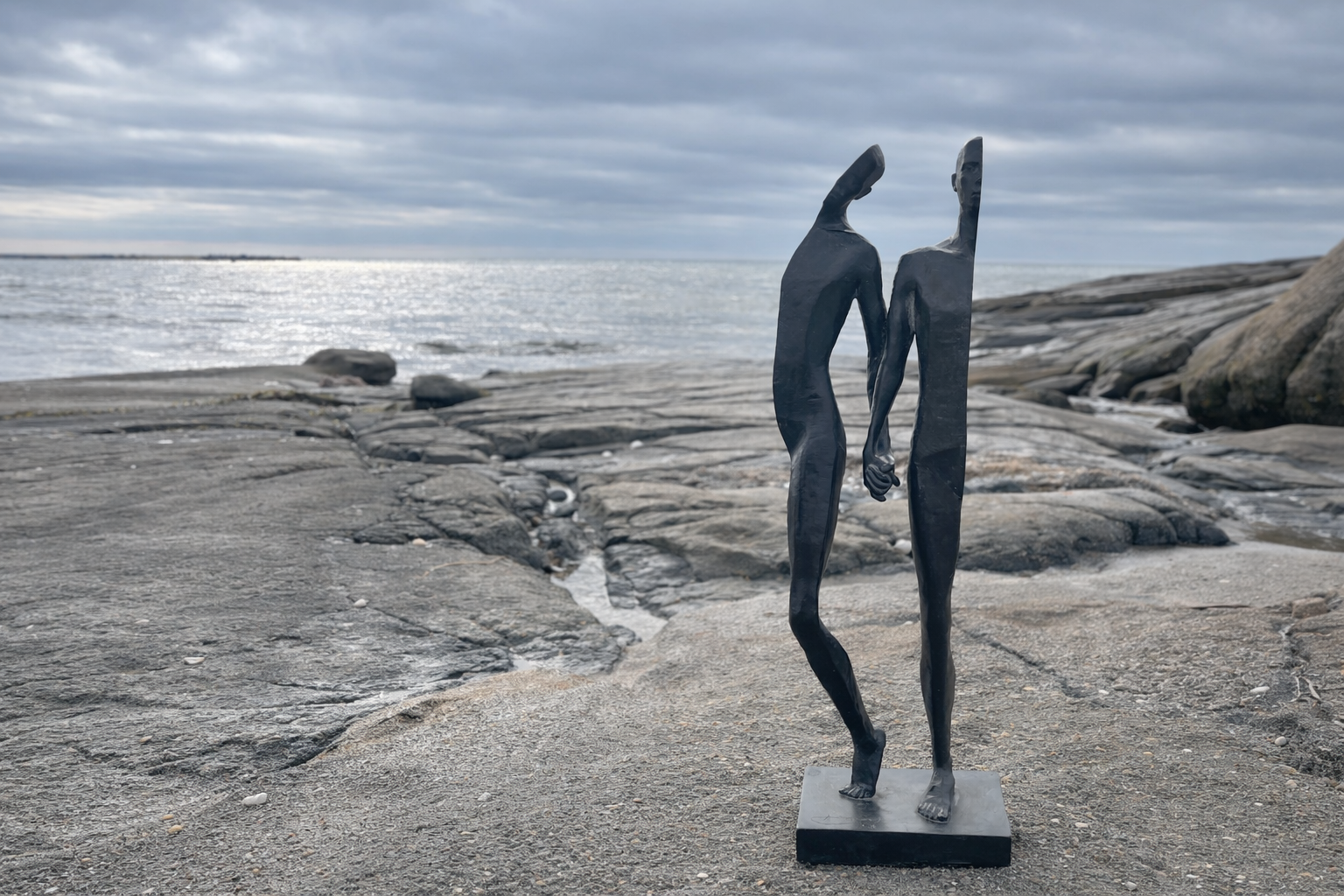
In the studio a sculpture often begins with a simple gesture in clay.
Slowly the form develops — searching for balance, movement and presence.
The final bronze carries the memory of this process.
Inspiration
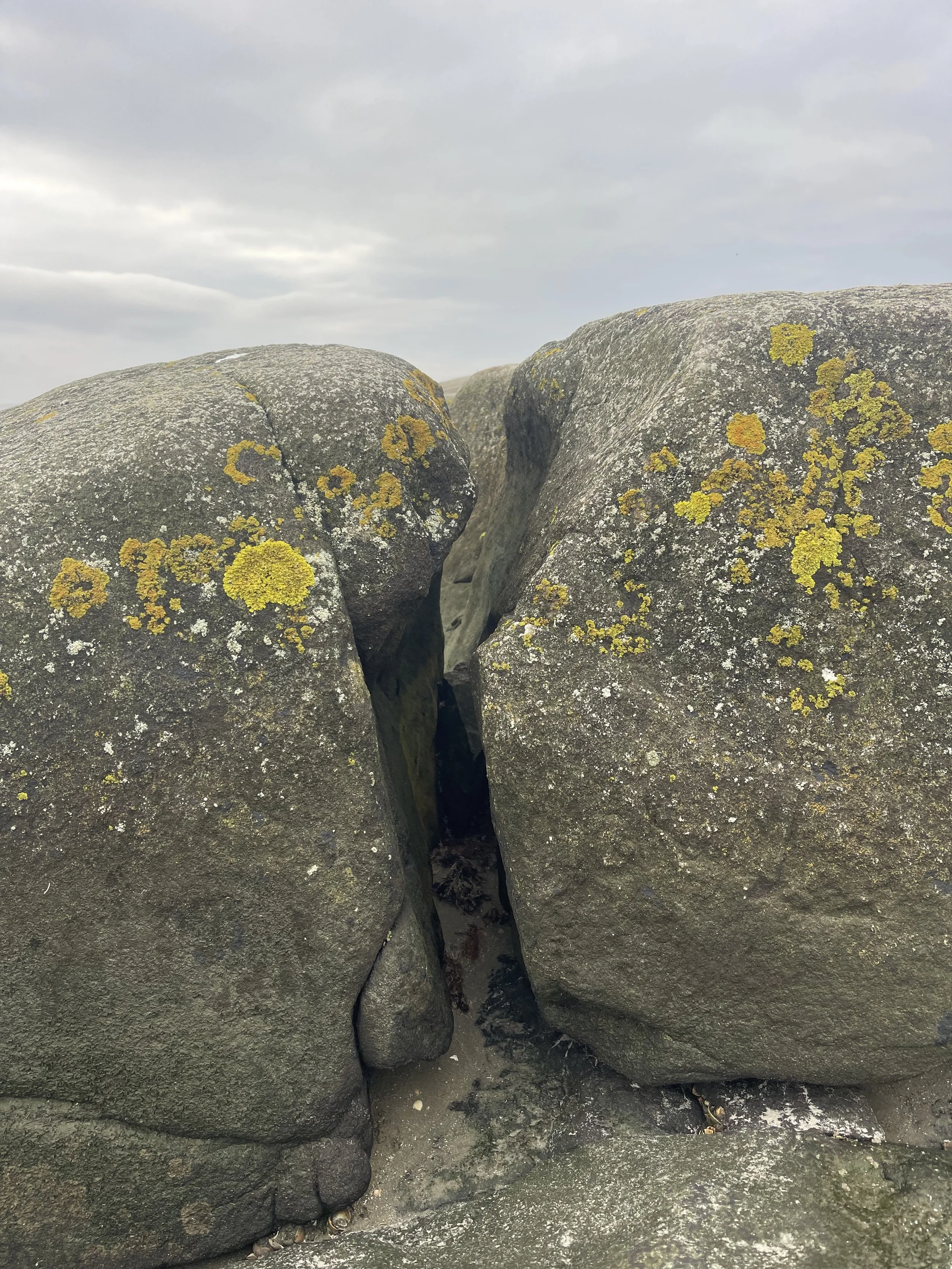
The sea, sand and rocks of the Swedish west coast have always been a source of inspiration for me. Not in the sense that I try to depict the landscape directly, but its shapes and colours seem to live somewhere deep within me.
Perhaps that is not so surprising. This is where I played as a child, as a teenager, and later as an adult. I built sandcastles in the soft sand, threw myself into the cold salt water, and jumped between the large rocks along the shoreline.
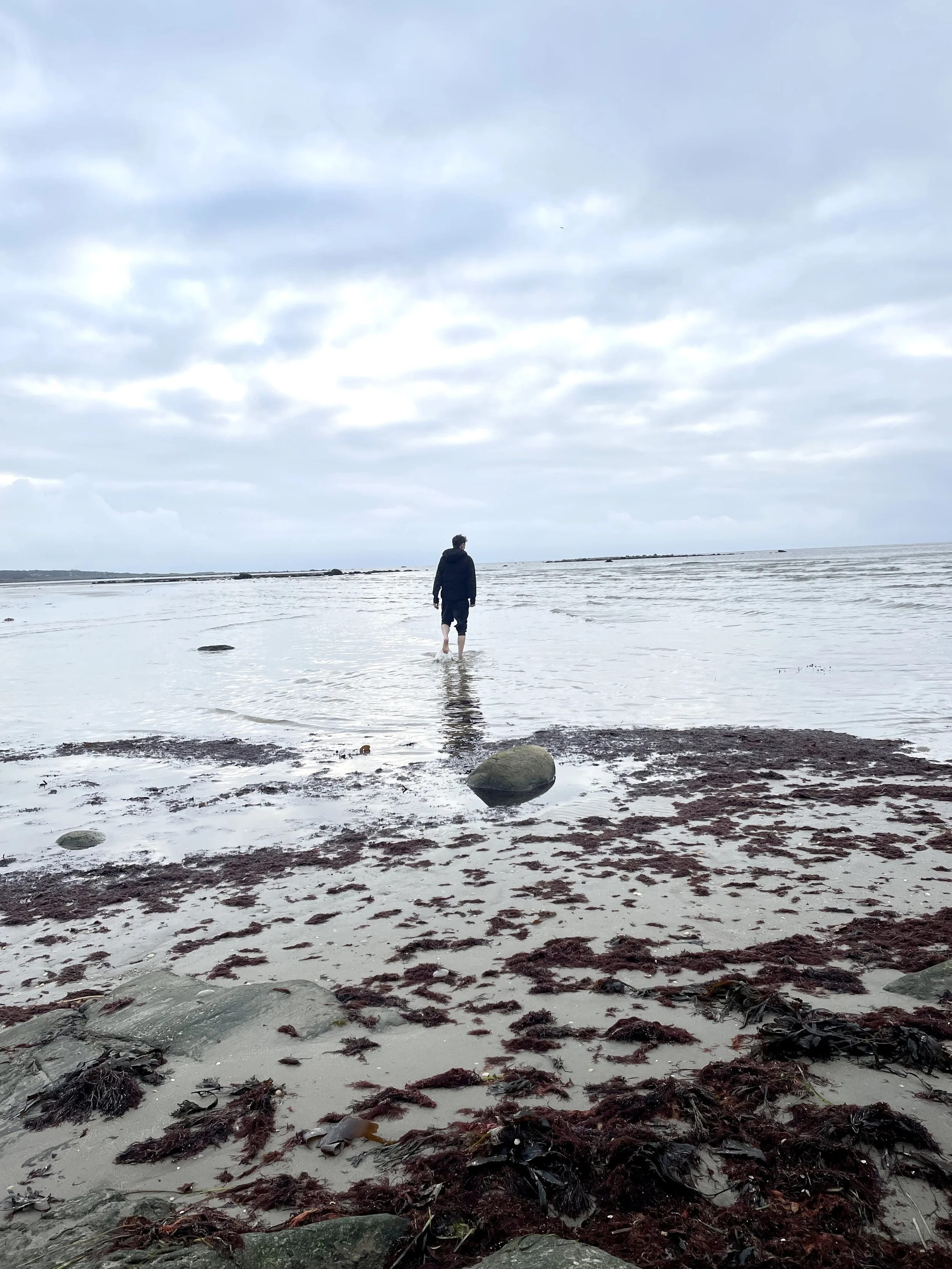
When I create, it is often the memory and feeling of this landscape that guides the process. The rocks with their both hard and soft forms. The sea with its violent calm. The surface of the sand and its endless possibilities for creation and play.
These experiences continue to live in my sculptures — in their movement, in the balance between weight and lightness, and in the relationship between the body and space.
Sculpting Process
My sculptures are created through a combination of traditional and digital techniques. Each method serves a different purpose and offers its own strengths and limitations.
Working with clay is direct and physical, allowing forms to develop intuitively through the hands. Digital sculpting, on the other hand, makes it possible to explore movement, proportions and variations with greater flexibility.
For me, these approaches complement each other. The digital process opens new possibilities, while the traditional process keeps the work grounded in the physical world.
Together they reflect a sculptural practice that belongs to our time — where ancient craft meets contemporary tools.
The Strength of Bronze
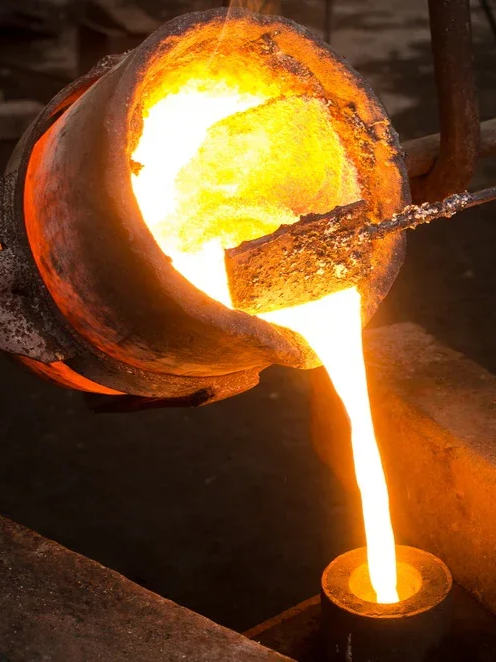
Bronze Casting
Bronze has been at the centre of my sculptural practice throughout my career.
There is something almost magical in the transformation from soft clay into enduring bronze. For thousands of years, bronze has carried human stories through tools, monuments, and sculpture — many surviving far beyond the lives of those who created them.
As a sculptor, I am drawn to bronze for its strength, warmth, and permanence. Its surface changes slowly over time, shaped by light, touch, and environment, allowing each sculpture to develop its own character.
Working in bronze is also a collaboration between artist, material, fire, and skilled foundry artisans. In a world that feels increasingly temporary and digital, bronze offers something lasting — an object with real presence and endurance.
Johannes Nielsen